The View from Ophir Hill: From Zero to One
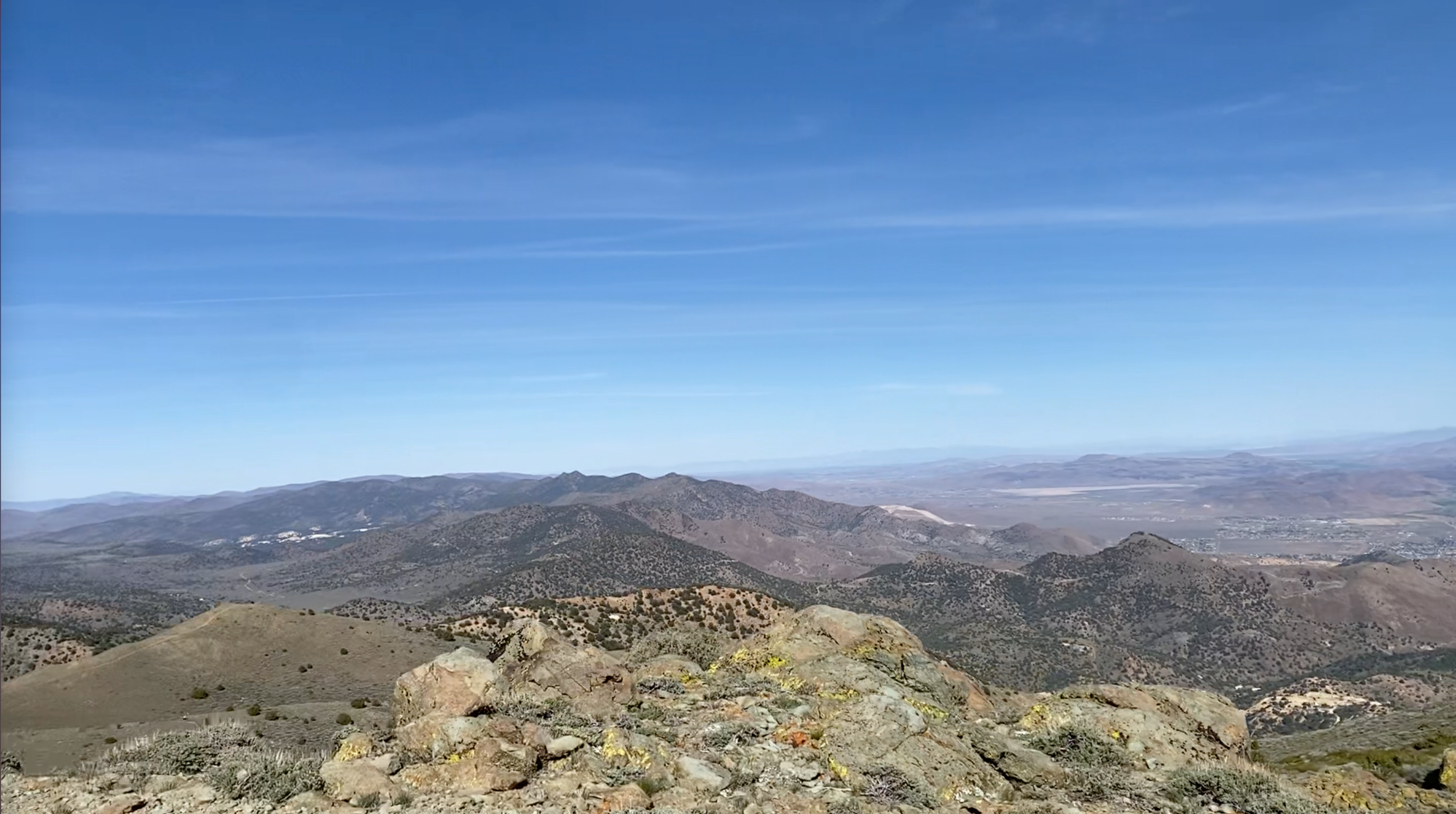
There is a specific kind of awe that hits you when you reach the top of Ophir Hill. The summit sits in the Virginia Range above historic Virginia City in Storey County, at about 7,782 feet above sea level. From there the whole basin feels within reach, ridgelines in every direction and the Comstock country laid out below.
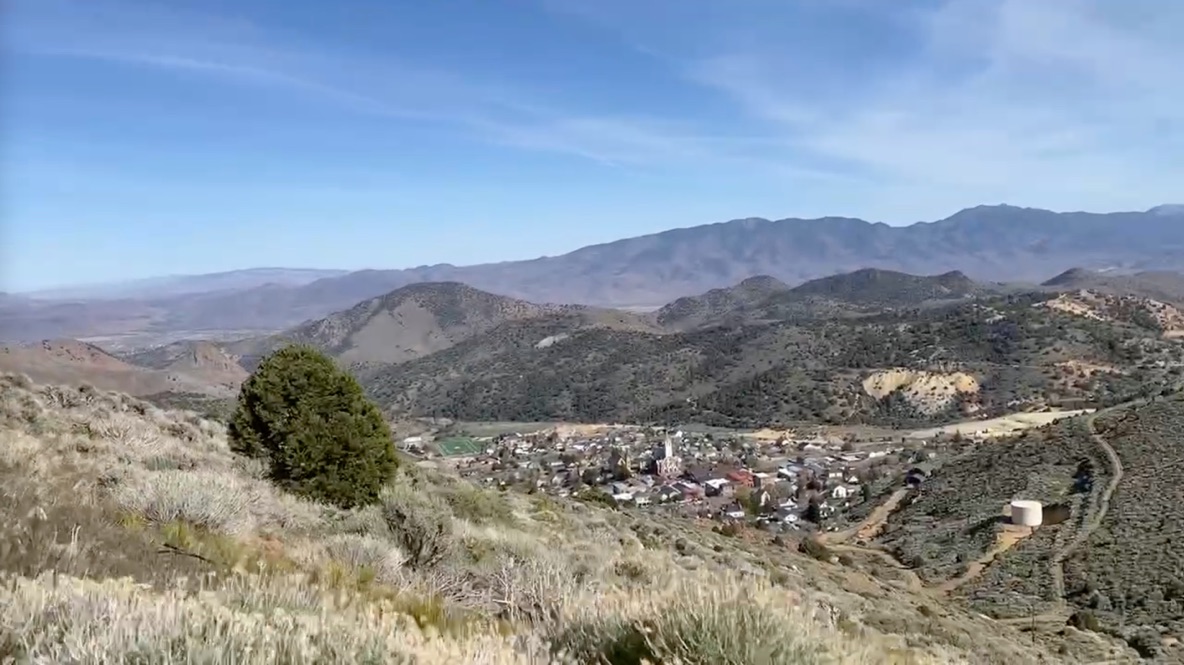
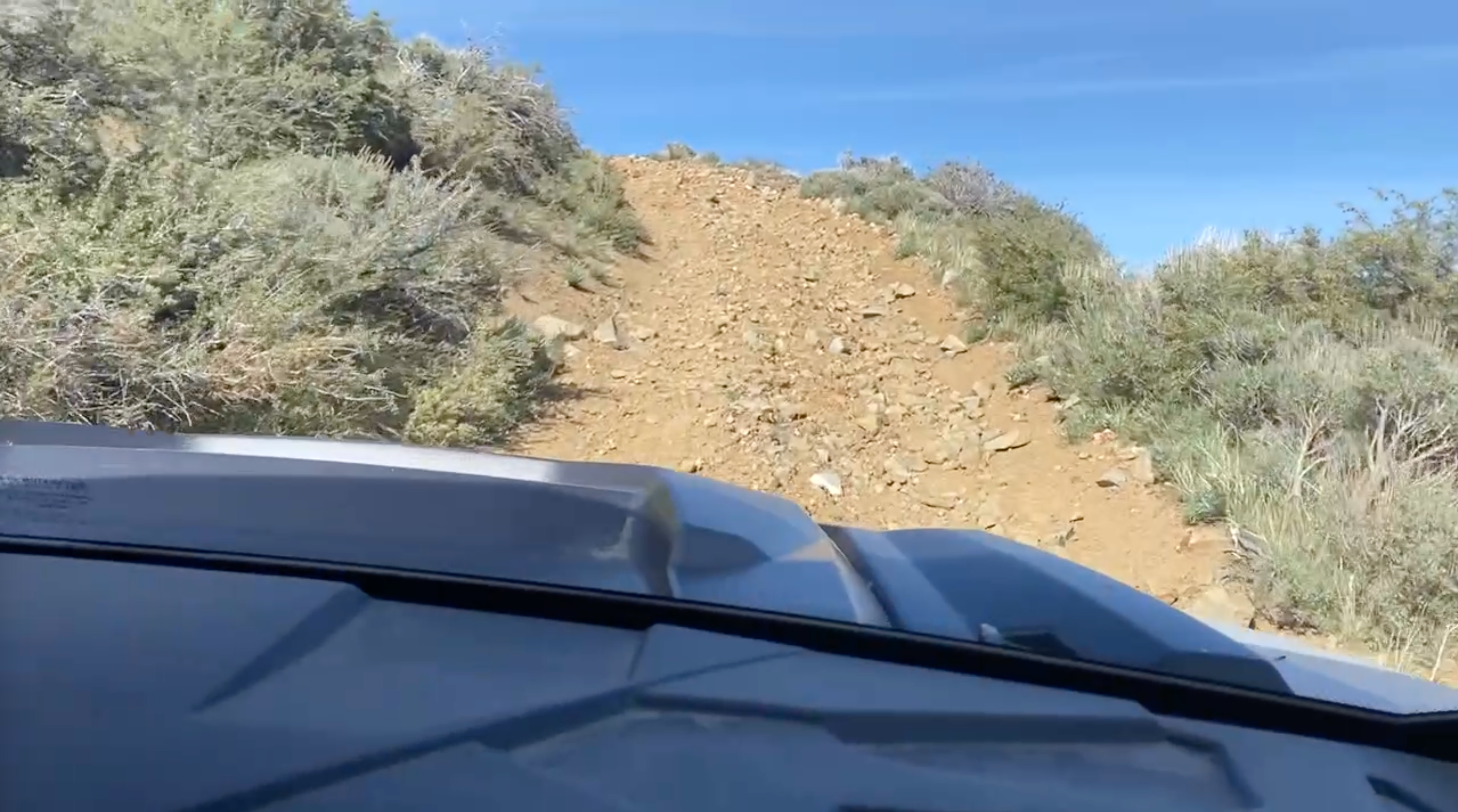
The journey to the summit began that same morning at Café del Rio in Virginia City. Tim and I spent several hours tucked away over maps and radio coverage projections, working through routes up the hills and the most useful points for testing. When the plan felt solid, we loaded into Tim's side-by-side and spent the morning bumping up the Cross Three trail. The reward was a 360-degree view of Nevada that no screen fully captures.
Standing on the shoulders of giants
When you step onto the Ophir crest, you learn quickly that you are not the first to notice its value. The peak already hosts large communications facilities and heavy infrastructure. It is humbling to stand there and remember how much engineering went into hauling steel, concrete, and power up the same grades you just crawled in a UTV.
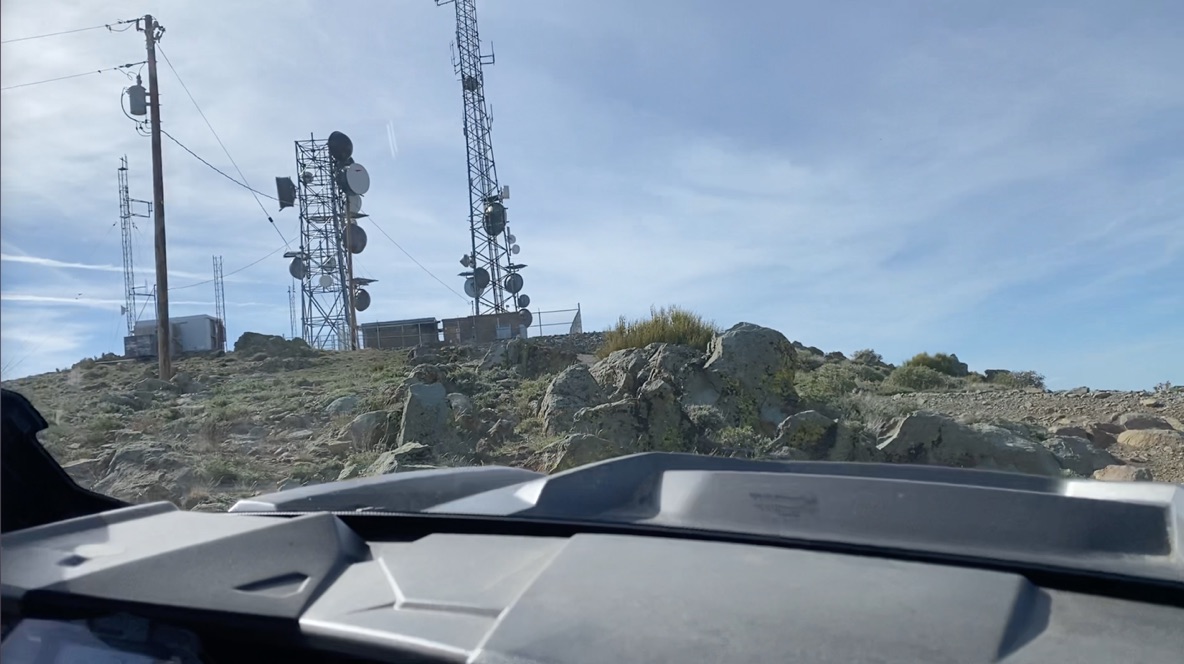
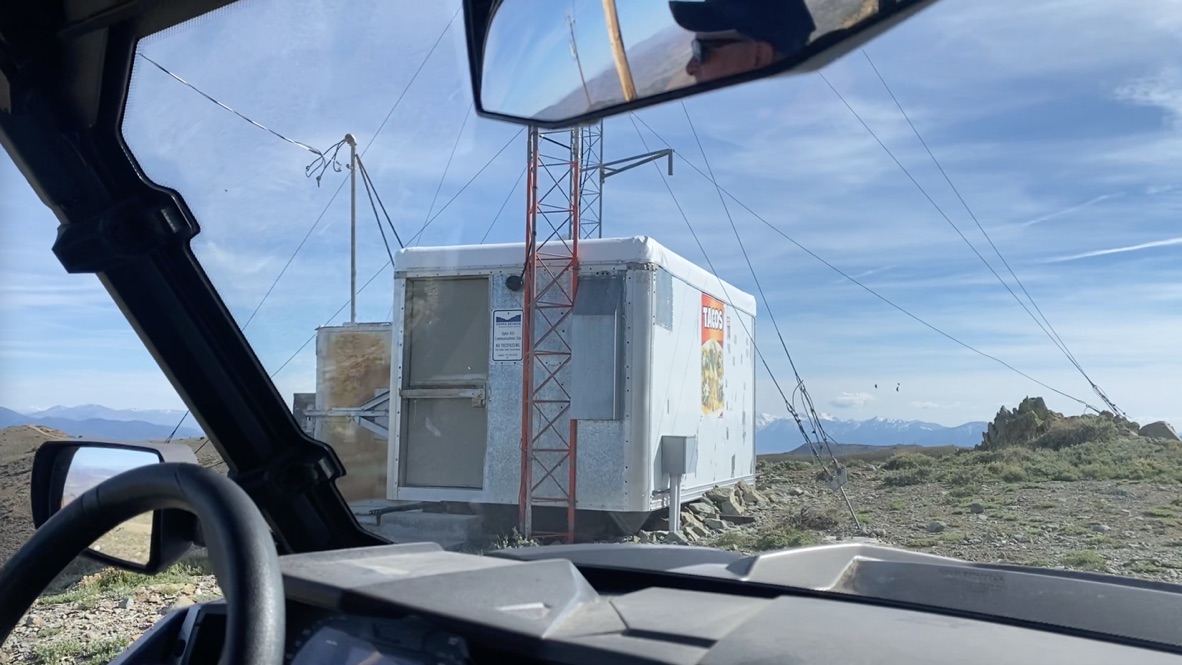
We were there to add a small footprint of our own, not to pretend the hill was empty. The scale of what came before puts our weekend test gear in honest perspective.
The philosophy of the "jank node"
While we were on the summit, we called the contact who operates the towers, said hello, and asked whether we could zip-tie a test node to his structure. He was generous enough to give us the green light. After looking at what we had in the packs, we chose a different route anyway.
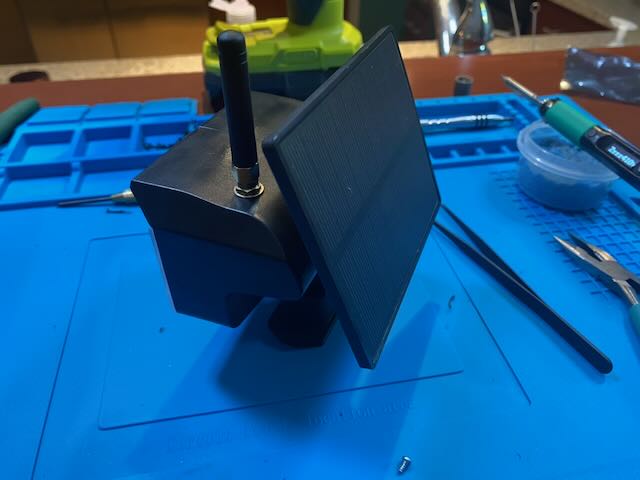
Because this was an off-the-cuff weekend trip, we did not have heavy-duty brackets or specialty hardware. We had a T-stake, zip ties, and a clear idea of what we wanted to learn. We drove the stake into the slope so the node had a stable-enough home for a cautious test.
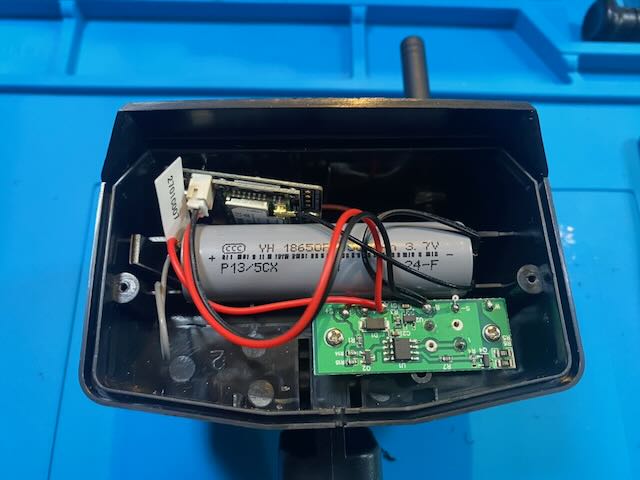
Inside the team we jokingly call builds like this jank nodes. To us, jank means you can assemble something effective without a trailer full of shop tools. The mount can look scrappy on Instagram and still be built with intention. Our field tests follow the same safety expectations we apply everywhere: nothing goes up in a way that shortcuts the standards we coordinate with the BLM Carson Field Office partnership, fire departments, and emergency partners. Speed never buys a pass on compliance.
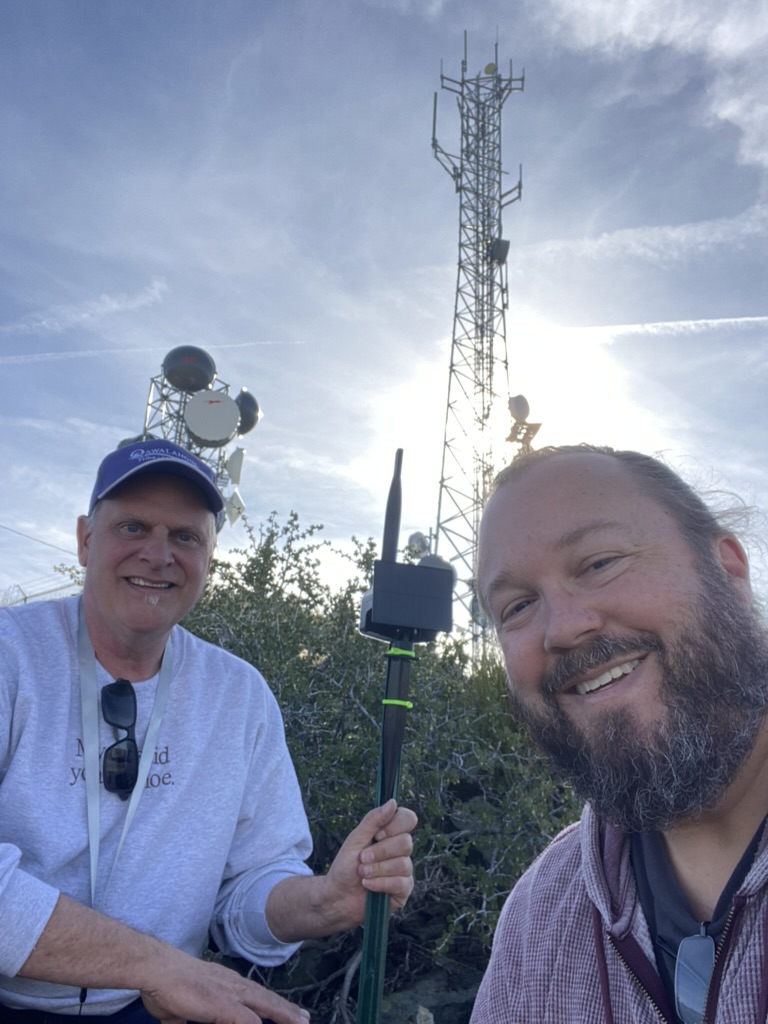
Massive results from small steps
When I showed the photos back at base, people laughed at the humble rig. The performance was not funny at all. In engineering and community work, zero to one is still the hardest hop. Sometimes perfect is the enemy of done, and getting a live path on the air is the whole ballgame.
Despite the simple mount and an inexpensive antenna from Amazon, range testing showed the little node conversing with both Spanish Benchmark and Peavine Peak. Those sites sit on the order of thirty miles away, which is exactly the kind of proof you want before you invest in a permanent build.
This is not the final home for production gear. The data still matter. They confirm that the cross-basin link is real terrain, not wishful thinking, and they feed the formal BLM range work ahead of us. A modest, unpolished test like this can still unlock the momentum the larger mission needs.