Poitito
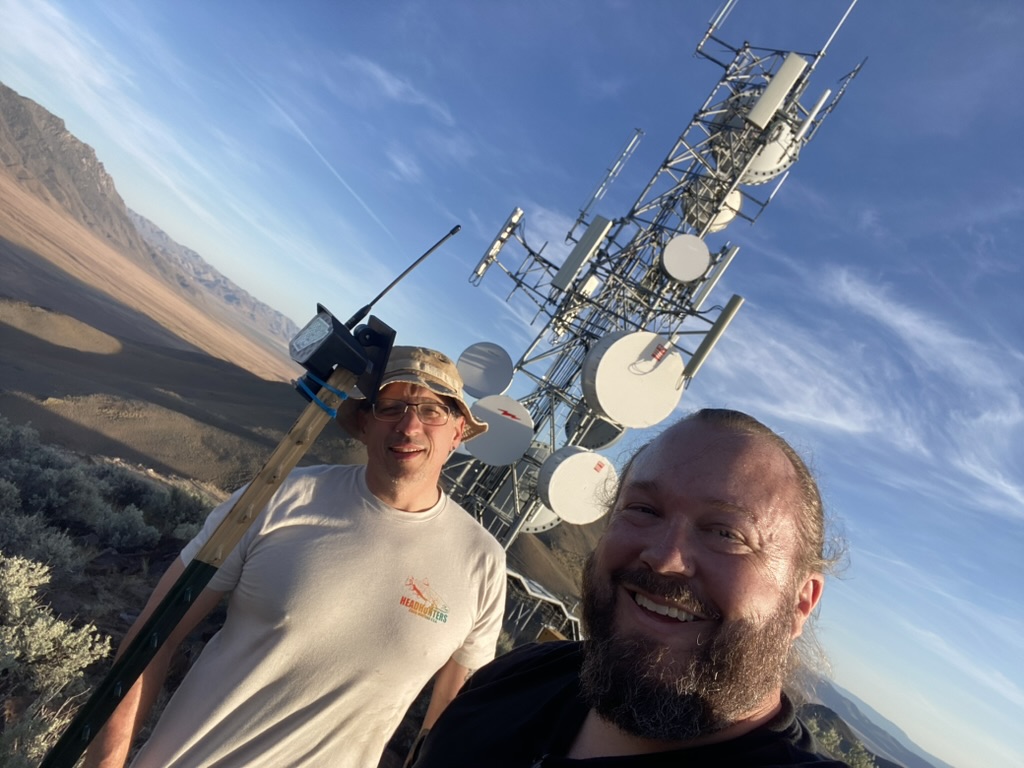
We call it Poitito, little Poito. It sits on a rocky flank of Poito Mountain, a short walk from Dave Metts's radio compound but not on it. Ever since we placed the main Poito repeater at the tower site, I have wondered whether sitting so close to all that existing radio equipment was causing interference. I ask the same question about McClellan Peak. It is slowly becoming confirmed through empirical data that co-locating on a radio tower is not always the best option, even when the option is available. The problem comes down to ideal placement, not proximity to steel.
Five feet makes the difference
My preferred method of range checking during site selection is simple. Start with a partner site and a tower, but do not assume that locating on the tower is automatically the best option. I had just seen the same lesson on Fox Mountain, where the useful spot on the ridge was nowhere near the tower compound.
On Poito's mountainside, a few steps could improve the connection a lot or kill it entirely. Terrain, antenna orientation, and what the ridge blocks matter more than elevation alone.
That is not a criticism of tower sites. Dave's compounds are fantastic starting points. They just are not the whole answer.
Finding Poitito
With that in mind, I set out to Poito again. When I got to the summit the signal was very strong in general and quite strong into Gerlach. Down the valley toward Fernley it was not.
So I began walking the mountainside with a repeater in my hand, range checking from various spots to see what I could connect to from each one. Sure enough, I found one particular location where the radio could see two connections into Gerlach and three connections out toward Fernley, including our own Russell Peak node.
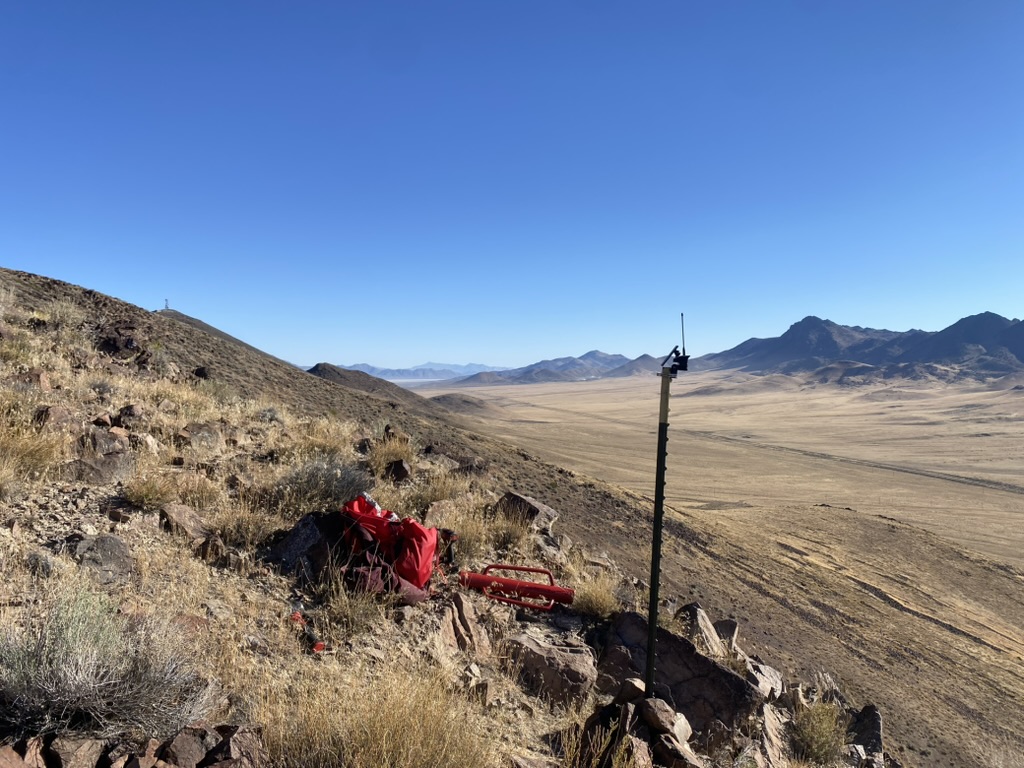
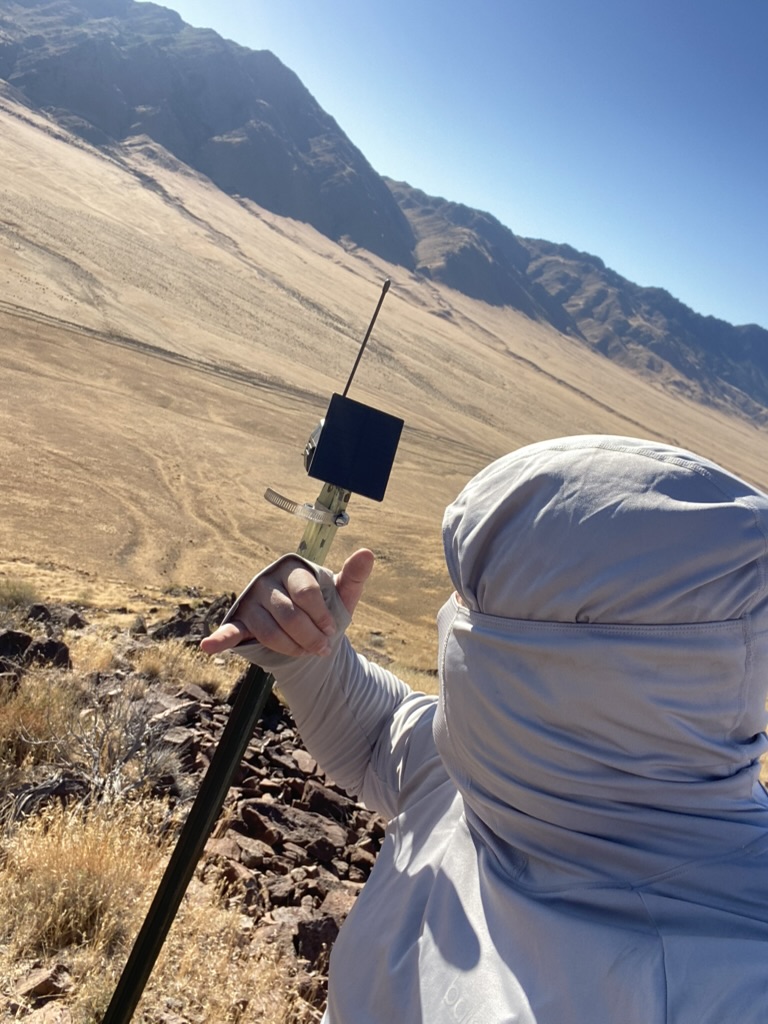
That spot became Poitito. A jank node on a T-post, a few dozen feet of walking from the tower fence, with links the compound never picked up.
The Black Rock corridor
Creating the repeater link from that position immediately improved the Black Rock corridor to almost one hundred percent reliability. When the burners come this year, they will be able to reach back to Reno along NV-447. I am really looking forward to some of those conversations.
The BRARA partnership at Ranger Outpost Gerlach gave us the last hop toward town. Poito is the backbone anchor south of Gerlach. Poitito is the placement that made the path dependable. Getting the spot right on the mountainside is what turned a promising corridor into something you can count on when cell service disappears and the playa traffic starts moving.
Like every other summit node we have up right now, Poitito does not have a 299 yet. It is on the air under the same casual-use field testing approach we use to prove a site before we ask the BLM for formal authorization. The first applications are getting close. The difference here is we already know this spot earns its keep.
More field data beats more assumptions. Next time I climb a peak with a tower on it, I am bringing a repeater in my hand before I zip-tie anything permanent.